
Addiction affects millions worldwide, manifesting in diverse forms, from substance use and alcoholism to behaviors like overeating, smoking, and gambling. “Addiction is usually a symptom of something else untreated,” explains Muvik’s CEO, Victoria Grace. While traditional approaches such as therapy and support groups play vital roles in recovery, an emerging, science-backed technique is gaining recognition: paced diaphragmatic breathing. This intentional, rhythmic breathing method has proven to be an effective tool in reducing stress, managing cravings, and supporting sustained recovery.
Understanding Paced Diaphragmatic Breathing
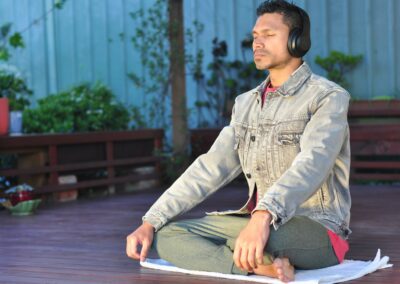
Paced diaphragmatic breathing, or rhythmic abdominal breathing, involves consciously controlling the breath by engaging the diaphragm. Through slow, deep inhalations and complete exhalations, this method triggers the body’s parasympathetic system, promoting a state of relaxation.
The Role of Stress in Addiction
Stress is a leading trigger for relapse, often driving individuals back to harmful habits. Paced diaphragmatic breathing counteracts stress by reducing physical and mental tension, helping individuals maintain control and prevent relapse. Regular practice can significantly aid in managing stress, a critical factor in sustainable recovery.
How Paced Breathing Supports Recovery
Those in recovery face unique challenges, especially early on. Paced breathing addresses these in three key ways:
- Managing Cravings and Withdrawal: Paced breathing offers a non-pharmacological solution to manage cravings. By focusing on slow, intentional breaths during cravings, individuals can disrupt the automatic impulse to turn to substances, while also easing withdrawal symptoms.
- Enhancing Emotional Regulation: Addiction often correlates with difficulties in emotion regulation. Paced diaphragmatic breathing promotes mindfulness and self-awareness, helping individuals manage intense emotions without resorting to harmful coping mechanisms, strengthening their resilience.
- Improving Sleep Quality: Sleep disturbances are common in recovery, but paced breathing can support better sleep by calming the mind and preparing the body for rest. Consistent practice promotes more restorative sleep, which in turn bolsters overall recovery.
Making Paced Diaphragmatic Breathing Part of Daily Life
Integrating this breathing technique into daily routines, such as morning rituals or pre-bedtime wind-downs, maximizes its benefits. Apps like BreathConductor™ offer guided exercises, making it easy to adopt and sustain a paced breathing practice.
Empowering Recovery Through Science
Paced diaphragmatic breathing, paired with mindfulness, is a simple yet powerful tool in addiction recovery. By addressing stress, managing cravings, enhancing emotional regulation, and improving sleep, it offers a science-backed way to support long-term transformation on the journey to sustained recovery.